How would you design the city of the future?
Designing the city of the future involves a holistic approach that prioritizes sustainability, resilience, and the well-being of its inhabitants. It moves beyond the traditional model of a single, centralized downtown and instead focuses on creating self-sufficient, interconnected hubs.
Core Principles of a Future City
- Sustainability and Resilience: A future city must be prepared for the impacts of climate change, including extreme weather events. It will be built with a circular economy in mind, where waste is a resource and energy is generated locally from renewable sources like solar and wind. Buildings would be constructed with a focus on energy efficiency and adaptability.
- Human-Centric Design: The city of the future is designed for people, not cars. It prioritizes walkability, cycling, and efficient public transit. Streets would be rethought to include more pedestrian space, green areas, and public plazas. The “15-minute city” concept, where all essential services and amenities are accessible within a short walk or bike ride, would be a core principle. This promotes community, reduces reliance on personal vehicles, and improves public health.
- Smart and Data-Driven: Technology is seamlessly integrated to optimize city operations. An Internet of Things (IoT) network would connect infrastructure, collecting real-time data on everything from traffic flow and energy consumption to air quality. This data, analyzed by AI and digital twins, would enable city managers to make informed decisions, improve services, and respond to challenges proactively.
- Equitable and Inclusive: Future cities are designed to be accessible to everyone, regardless of age, ability, or socioeconomic status. They would provide fair access to urban amenities, healthcare, education, and employment. The design would also incorporate principles of “neuro-urbanism,” creating environments that reduce stress and promote mental well-being by reducing sensory overload and providing restorative green spaces.
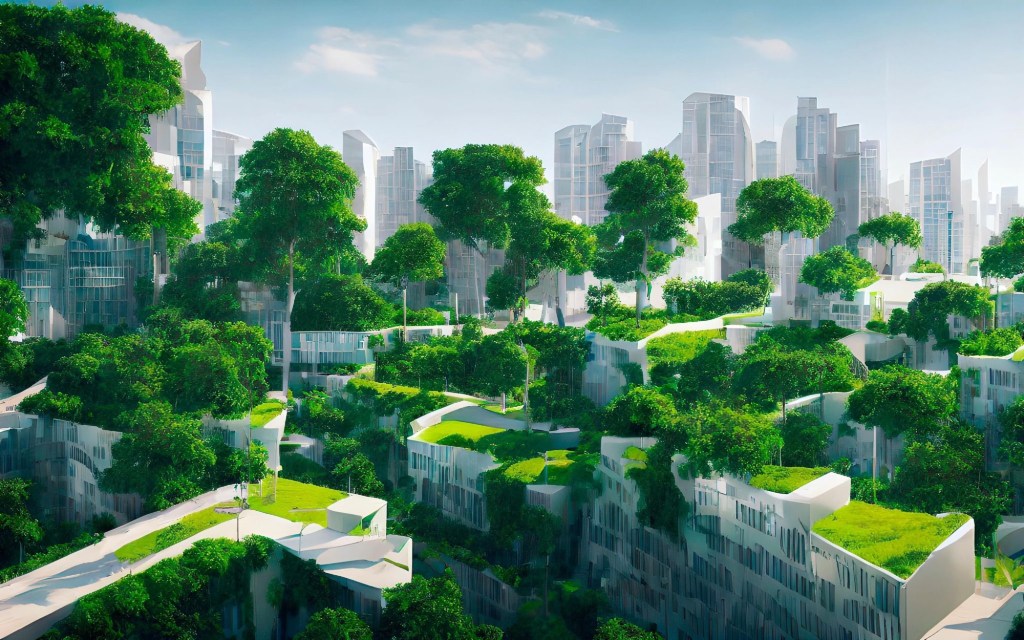
Key Design Elements - Green Infrastructure: Nature would be a fundamental part of the city’s design. This includes extensive urban parks, green roofs, vertical gardens, and “sponge city” concepts that use natural systems to absorb and manage rainwater, mitigating flood risk. This green infrastructure improves air quality, boosts biodiversity, and creates a more pleasant living environment.
- Polycentric Layout: Instead of a single central business district, the city would be composed of several smaller, interconnected hubs. Each hub would have a mix of residential, commercial, and recreational spaces, allowing residents to live, work, and socialize without long commutes.
- Modular and Adaptive Architecture: Buildings would be designed with flexibility in mind, allowing them to be easily repurposed to meet changing needs. This could mean a factory is converted into housing or an office building becomes a community center. This modular approach reduces construction waste and increases the city’s overall resilience.
- Advanced Transportation: Public transport would be a high-speed, integrated network of automated systems, reducing the need for private cars. Drones could handle some deliveries, and smart traffic management systems would optimize the flow of vehicles that remain, significantly reducing congestion and emissions.

 Lucky Ohwofasa Eghagbevwa
🌍✨ Designing the city of the future isn’t just about shiny skyscrapers or flying cars—it’s about building a world where people, nature, and technology live in harmony. Imagine a place where sustainability is not a choice but a way of life.
✅ Green, Resilient, Self-Sufficient: Instead of endless pollution and waste, the future city thrives on a circular economy—waste becomes a resource, homes run on clean solar and wind power, and every neighborhood grows its own fresh produce through urban farming.
🚶♀️🚲 Human-Centric Design: Forget traffic jams and chaos—this city is made for people, not cars. Walkable streets, cycle-friendly lanes, and efficient public transport connect everything. The “15-minute city” model ensures that schools, work, healthcare, and leisure are all just a short walk or ride away.
🌱 Nature at the Heart: Lush parks, vertical gardens, and tree-lined boulevards make the air cleaner and the soul calmer. Rivers and lakes are restored, becoming community spaces instead of dumping grounds.
💡 Smart & Connected: Technology won’t control us, it will empower us—smart grids, AI-powered waste management, renewable-powered data centers, and community apps that keep people informed and engaged.
In short, the city of the future is not a concrete jungle—it’s a living, breathing ecosystem where humans and nature flourish together. 🌿🏙️
👉 Would you want to live in a future city like this—or do you think we’ve already started building it today?
LikeLiked by 2 people